
Natera (Altera & Signatera)
Natera offers Altera tumor DNA/RNA profiling to inform treatment choices and Signatera blood testing to monitor traces of cancer over time. Your doctor orders them. They answer different questions.
- Tumor profiling
- Altera reads tumor DNA and RNA for treatment and trial discussions. It requires tumor tissue plus a normal blood sample; Altera and Signatera can use the same tumor sample.[7][8][9]
- Monitoring
- Personalized, tumor-informed blood test that looks for circulating tumor DNA (ctDNA) to detect molecular residual disease.[2][1]
- Samples
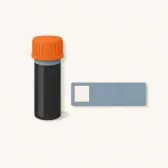
- Tumor tissue (paraffin block or slides) and blood the first time; after that, blood only.[2][3]
 Tumor profiling
 Samples
 Timing
 FDA status
 Cost
Natera has two different tests: Altera profiles the tumor to inform treatment choices. Signatera looks for traces of cancer DNA over time. Your doctor orders them, separately or together.
Altera tumor profiling
Altera reads the tumor's DNA and RNA using whole-exome and whole-transcriptome sequencing. It reports changes that may point to treatments or clinical trials. A possible trial match still needs an eligibility check.
Altera needs tumor tissue and a normal blood sample. Natera compares them to help separate tumor changes from the DNA you were born with. Your doctor can order Altera and Signatera using the same tumor sample.
Signatera monitoring
Signatera is a Natera blood test built from your own tumor. It looks for traces of tumor DNA to show whether cancer is left after treatment, whether treatment is working, or whether it's coming back.
How Signatera works
- Build the test. Natera sequences your tumor tissue and a normal blood sample once, then designs a test around your cancer's unique mutations.
- Check your blood. After that, each test is a blood draw. The report says whether tumor DNA was found, and how much.
- Repeat it. Doctors often order it every three months. The trend matters as much as any one result.
Signatera is a monitoring test, not a way to pick a targeted drug. Standard Signatera is a lab-developed test, not FDA-cleared. In May 2026 the FDA approved a version, Signatera CDx, as a companion diagnostic for atezolizumab in muscle-invasive bladder cancer.
Who Signatera is for
People with solid tumors, and some lymphomas, after surgery or during and after treatment, including people on immunotherapy. A negative result is good news, not a guarantee. It doesn't replace your scans.
How to start
Ask your doctor whether you need Altera for treatment selection, Signatera for monitoring, or both. Natera can work with your care team to obtain stored tissue.
For Signatera: Your doctor orders it. Natera needs stored tumor tissue from a biopsy or surgery, plus blood. The first result takes 3 to 4 weeks, later ones 7 to 10 days. Natera offers mobile blood draws.
Cost and insurance
As of October 2026, Natera doesn't publish a Signatera price. Medicare covers it for stage I–III non-small cell lung cancer surveillance and for tracking immunotherapy response in any solid tumor, plus some colorectal, breast, bladder and ovarian uses. Other uses need a Medicare advance notice (ABN). Natera takes all insurance and has a cash rate.
As of October 2026, Natera's assistance program can drop the cost to $0–$239 per test for households up to six times the federal poverty level. It can count your medical bills from the past year.
As of October 2026, Natera lists Medicare coverage for Altera in qualifying recurrent, relapsed, refractory, metastatic or stage III/IV solid tumors, provided Altera has not already been ordered for the same primary diagnosis. Confirm coverage and your expected bill for each test; Signatera coverage does not establish Altera coverage.
What to ask
- Do we need Altera for treatment choices, Signatera for monitoring, or both? What would each result change?
- Is there enough stored tissue to build my test?
- How often would I be tested, and will insurance cover it?
- What if a result doesn't match my scans?
- What will each test cost me?
Other options
Guardant Health also does blood testing, including Guardant Reveal for monitoring. Signatera needs your tissue first, so ask about tissue early. See Before a biopsy, ask about the tissue and Get the right tumor testing.
Contacts
- Tumor profiling: Altera for patients
- Website: Signatera for patients
- Billing and coverage: natera.com/oncology/billing · 1-844-384-2996
- Financial assistance: care.natera.com · text CARE to 636363 · oncologybilling@natera.com
- Phone: 650-489-9050 (option 2 for patients)
- Email: signaterapc@natera.com (Patient Coordinators)
Links
Services & who they help
Company
Related guides & organizations
What would you add?
Help make this page more useful.