
BostonGene
Tumor Portrait sequences your tumor's DNA and RNA and compares it with your normal DNA from saliva, a cheek swab or blood. Your doctor orders it. In October 2026 my cost was $4,500 out of pocket.
- Samples
- Tumor tissue plus a normal sample from saliva, a cheek swab or blood. BostonGene requests the tissue from pathology.[2][1]
- Test
- Whole exome DNA of tumor and normal, plus whole transcriptome RNA of the tumor.[1]
- Timing
- 10 to 12 days after both samples arrive, per a 2024 BostonGene brochure.[3]
- Cost
- My cost (Oct 2026): $4,500 out of pocket. No published list price. In network with Medicare; out of network with private insurers. Financial assistance for U.S. residents.[7][8]
- FDA status
- No FDA approval or clearance found. Lab holds CLIA and New York State credentials.[12][11][10]
- Report
- Goes to the ordering physician through BostonGene's portal.[2]
 Samples
 Test
 Timing
 Cost
 FDA status
 Report
BostonGene's main patient test, Tumor Portrait, sequences your tumor's DNA and RNA and compares it with your normal DNA from saliva, a cheek swab or blood. It's built for advanced solid tumors. Your doctor orders it, and the report goes to them.
What it reads
- Tumor DNA. Whole exome sequencing: mutations, copy number changes, tumor mutational burden (TMB) and microsatellite status (MSI). BostonGene's site says 19,000+ genes; its 2024 brochure says more than 22,000.
- Your normal DNA. The same sequencing on spit, a cheek swab or blood. Comparing the two separates what's in the tumor from what you were born with, so it can also report inherited findings, like BRCA1/2, that may matter to your blood relatives.
- Tumor RNA. Whole transcriptome sequencing. This is where gene fusions show up (ALK, ROS1, RET, NTRK and others), and it shows which genes the tumor is actually using.
The report also lists matched treatments, recruiting trials, and a tumor microenvironment type. That last one is BostonGene's own method for estimating how likely immunotherapy is to work.
How it works
- Your oncologist signs the order and sends your insurance card, a recent note and the pathology report. You sign a consent form.
- BostonGene requests the tumor block from the pathology lab that holds it. Tell your doctor which biopsy you want used. The most recent one is usually best.
- You give the normal sample. A saliva kit can come to your house, or a cheek swab or blood draw can be done at a clinic.
- Results go to your doctor. Ask for a copy of the full report.
Sample requirements
- Tissue: one block, or 10 unstained slides plus an H&E slide, under 5 years old. At least 40,000 tumor cells, more than 20% tumor and more than 5 mm². The lab can cut out the tumor-rich areas (microdissection) when needed.
- Saliva: nothing to eat, drink, smoke or chew for 30 minutes first. Ship it by FedEx the same day.
- Not accepted: after a stem cell or bone marrow transplant. Saliva isn't accepted within 4 weeks of a whole blood transfusion.
Timing
BostonGene's 2024 brochure says 10 to 12 days after it has both samples. When I ordered in October 2026, I was told about 3 weeks. Ask when you order.
Cost and insurance
- My cost (October 2026): $4,500 out of pocket. As of October 2026, BostonGene doesn't publish a list price, so yours may differ. It says it offers a discounted self-pay rate and payment plans.
- In network with Medicare, which covers it for advanced or recurrent solid tumors when you're seeking more treatment and haven't had the same testing already (per the 2024 order form).
- Out of network with private insurers. Your out-of-network benefits decide what you pay. Billing codes are CPT 81455 and 88381.
- Testing doesn't pause for a pending prior authorization. If you want to wait for a decision, your doctor has to say so before the samples arrive.
- Financial assistance is open to U.S. residents, with decisions in 1 to 2 business days, covering tests for 18 months. You can apply before or after testing.
Credentials and evidence
The Waltham, Massachusetts lab holds a CLIA certificate (22D2182613, through May 2027), a New York State permit (PFI 9637, through June 2027) and, per BostonGene, CAP accreditation. I found no FDA approval or clearance for Tumor Portrait, and it isn't on FDA's companion diagnostic list. Like many tumor sequencing tests, it's offered as a lab test.
BostonGene's own scientists published a validation in Communications Medicine (2025) on 2,230 tumor samples. Adding RNA caught fusions and variants that DNA alone missed. Useful, but it's not an independent comparison with other tests.
My experience
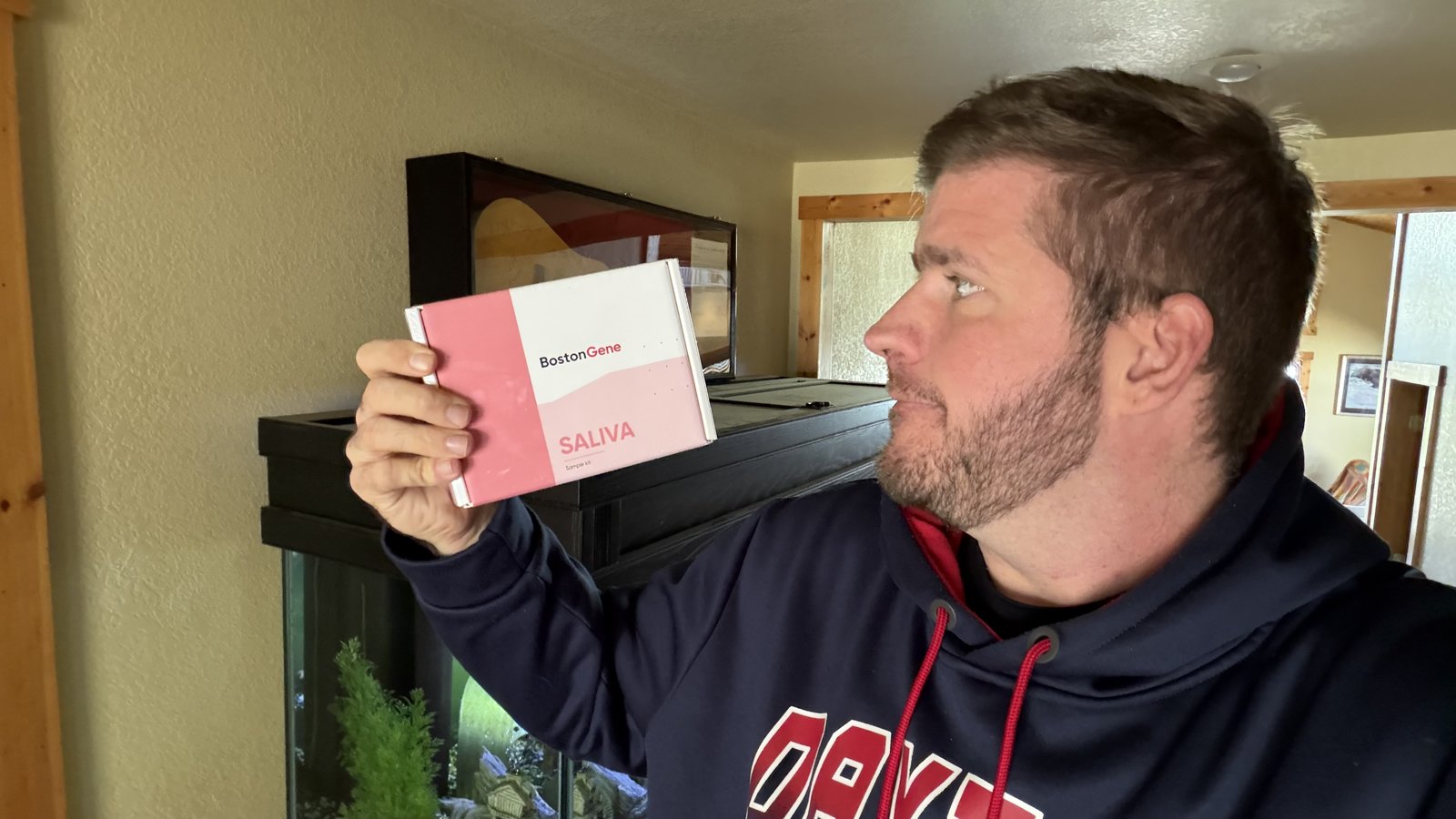
I have ALK-positive lung cancer. In October 2026 I ordered BostonGene testing on tissue from a July biopsy, with a saliva kit mailed to my house. An earlier attempt to sequence that tissue didn't have enough tumor to read. BostonGene can microdissect the tumor-rich areas, so the tissue got a second shot.
What I was told when I ordered: a pass or fail on tumor content about 24 hours after the tissue arrived, results in about 3 weeks if it passed, and no bill if it failed. My cost was $4,500 out of pocket.
My opinion, not medical advice: if you can get your tumor sequenced, do it. When a drug stops working, knowing the exact change behind it can open a door to a trial built for it. Talk it through with your oncologist.
Before you order, ask
- Which biopsy will be used, and is there enough tumor in it?
- What will I owe, and should I apply for financial assistance first?
- Will you report inherited findings, and who will explain them?
- Can I get the full report, and the raw data if I need it later?
Contacts
- Website: bostongene.com/patients
- Financial assistance: BostonGene financial assistance
- Billing and coverage: Commercial insurance patient guide · billing@bostongene.com
- Phone: +1 781-552-3131
- Email: clientservices@bostongene.com