Guides
25 guides
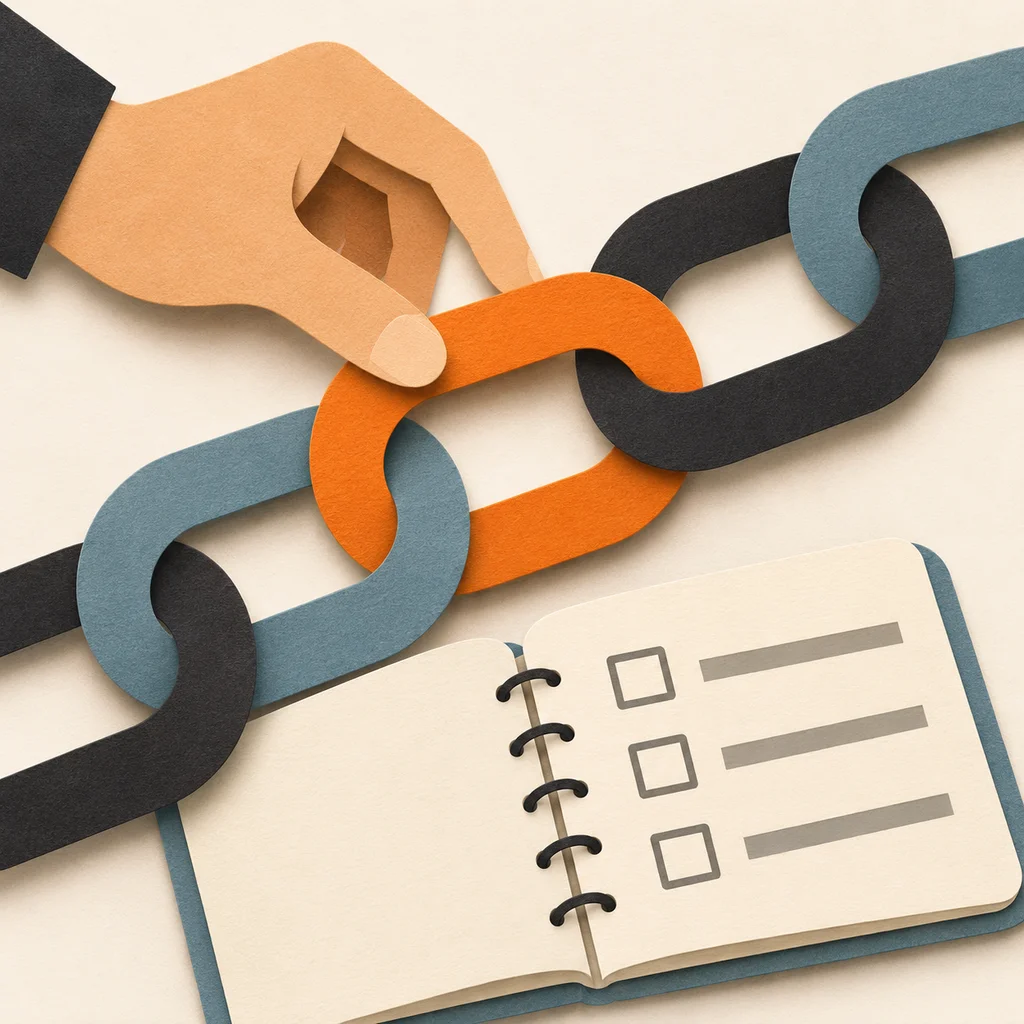
A chain of fixes: managing side effects between scans
Stage 4 cancer isn't one drug. It's a chain of fixes, and every fix can break something else. Here's what my blood work looked like on one November morning, and how I keep track of it all between scans.

Ask AI about your data, not your symptoms
My resting heart rate jumped this summer and I assumed something new was wrong. One structured question over 3 years of my Apple Watch data showed my old cancer pill had been holding it down.

Before a biopsy, ask about the tissue
Some future tests depend on how the sample is handled. Have this conversation before the procedure.

Cancer just hit your family. Start here.
Get the reports, ask about tumor testing, find a specialist, and put the next steps in one place.

Check the scan dates before changing treatment
My August CT was read as progression and the plan was to add chemo. But the comparison scan was from before I started my new pill. With my oncologist's OK, I waited a month. The next scan showed no progression.

Find people who know your cancer
Start with your disease and biomarker. Find practical help, not another endless feed.
Find trials worth asking about
Build a short list with the trial ID, the actual site, and the eligibility questions that matter.
Get the right tumor testing
Know what was tested, what was missed, and whether another test could change the plan.

Get your reports, raw data and sample details
Keep the originals, request the missing pieces, and confirm they actually reach the next person.

Give your AI a notebook: how I keep my cancer care in Notion
AI only knows what's public. What matters most for your care isn't. I keep it all in a Notion notebook that my AI writes to and reads from before it answers anything. Start with 3 pages.

How I use ChatGPT Health with my real medical records
The dashboard is nice, but it isn't the point. ChatGPT Health connects to your actual medical records, so you can ask hard questions without retyping your history or pasting in labs.

How to ask AI about your health: the 9 rules I use
An open-ended health question is just Dr. Google with better grammar. Give your AI rules instead, and you get signal instead of noise. Here are the 9 I use every time.

I Have Cancer. Here's Exactly How I Use AI to Stay Ahead of It.
Seven ways I use AI to organize my care, ask better questions, watch for trials and make sense of my health data.

Ivermectin, fenbendazole and mebendazole for cancer: what the evidence shows
People ask me about ivermectin and fenbendazole all the time. So I went through the human studies. These drugs are a legitimate research idea. They are not proven cancer treatments. Here's what the evidence actually shows.

Let AI explain your portal results
Results often land in your patient portal before anyone calls to explain them. My X-ray said "left basilar atelectasis" and "pleural thickening." I had AI explain the report and mark it up right on my X-ray.

Make a second opinion useful
Choose the right review, gather records, check costs and make sense of a second, third or fourth opinion.

My Cancer Story
The decisions, research, questions, phone calls, and follow-through behind my cancer care. What I did, why I did it, and what I am still figuring out.

My personalized mRNA cancer vaccine: an n=1 story
My experience exploring a one-person, or n=1, personalized mRNA cancer vaccine for lung cancer: the design, cost, decisions and unknowns.

Personalized cancer vaccines: what to ask
What “built for your tumor” means, what remains experimental, and what to check before committing.

Record every appointment, and let AI do the remembering
A 30-minute appointment is a firehose, and it's easy to forget half of it. I ask permission, record each visit, and let AI pull out what matters and log it in my notebook, so every visit makes the next one smarter.
Am I missing something?
Let me know!